Stove Burning Festival
开炉节
- 分类: 生活方式
- ID: 1867899750870491137
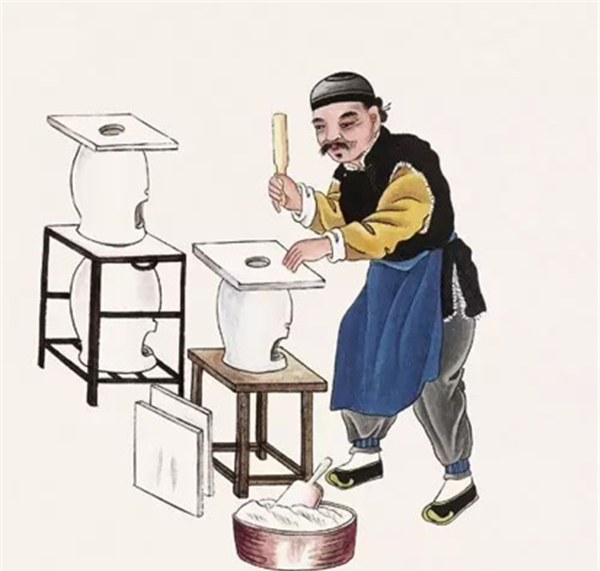
Home CategoryLifestyleStove Burning FestivalPlay3 minsThe Stove Burning Festival, or Kailu Jie, marks the start of the cold season in ancient China. Traditionally, families prepared firewood and maintained stoves, a practice akin to modern central heating. "Kailu" means "starting to use a stove", highlighting the festival's essence.ShareCatalogue1. Historical Background2. Customs and Rituals3. Cultural SignificanceThe Kailu Festival, or "Stove Burning Festival", is a folk festival observed on the first day of the eleventh lunar month. It marks the start of winter and is characterized by rituals, gatherings, and customs centered around warmth, community, and the seasonal transition. Historically, it was an occasion for preparing to endure the cold months, and it carries rich cultural significance in both daily life and literature.
Historical Background
The origins of Kailu Festival trace back to ancient practices of winter preparation. During this time, people lit fires and started using stoves to combat the cold. This tradition highlights the festival's importance as both a practical and symbolic marker of winter's arrival.
In literature, the festival is immortalized in the classic novel Dream of the Red Chamber. The aristocratic Jia family hosted a "warming party", where friends and relatives gathered to share food, drink, and companionship, embracing the warmth of the hearth as a remedy against winter's chill.
Customs and Rituals
Lighting the Stove
The core of the Kailu Festival is lighting stoves for warmth, symbolizing the beginning of winter. Families prepare their stoves and stockpile firewood, ensuring they are ready for the season. This practice not only signifies the practical need for heating but also a renewal of familial bonds as people gather around the hearth.
Warming Gatherings
Social gatherings called “warming parties” are central to the festival. Friends and families convene around stoves to enjoy meals, drinks, and lively conversations. This tradition fosters a sense of togetherness, with the warmth of the fire serving as a metaphor for emotional connections.
Offerings and Ancestral Worship
In some regions, the festival includes rituals to honor ancestors. The first use of the stove is often dedicated to making offerings, such as baked goods, to ensure blessings for the winter. This reflects the deep cultural emphasis on respecting lineage and seeking protection for the months ahead.
Gift Exchange
Another custom is the exchange of winter supplies. Families send coal, firewood, and warm clothing to relatives, symbolizing care and mutual support. Newly married daughters often gift stoves or other heating items to their parents, reinforcing familial bonds.
Cultural Significance
The Kailu Festival reflects ancient Chinese values of practicality, community, and reverence. It combines the necessity of warmth with opportunities for social bonding, spiritual offerings, and cultural expression. While its popularity has waned in modern times, the festival remains a poignant reminder of how traditional practices can enrich contemporary life. Article reference1. Heating affairs at the prince’s residence. en.pgm.org.cn. 2022Photo Gallery(1 picture)CategoriesLifestyleTagTraditional FestivalCatalogue1. Historical Background2. Customs and Rituals3. Cultural Significance- - - []








